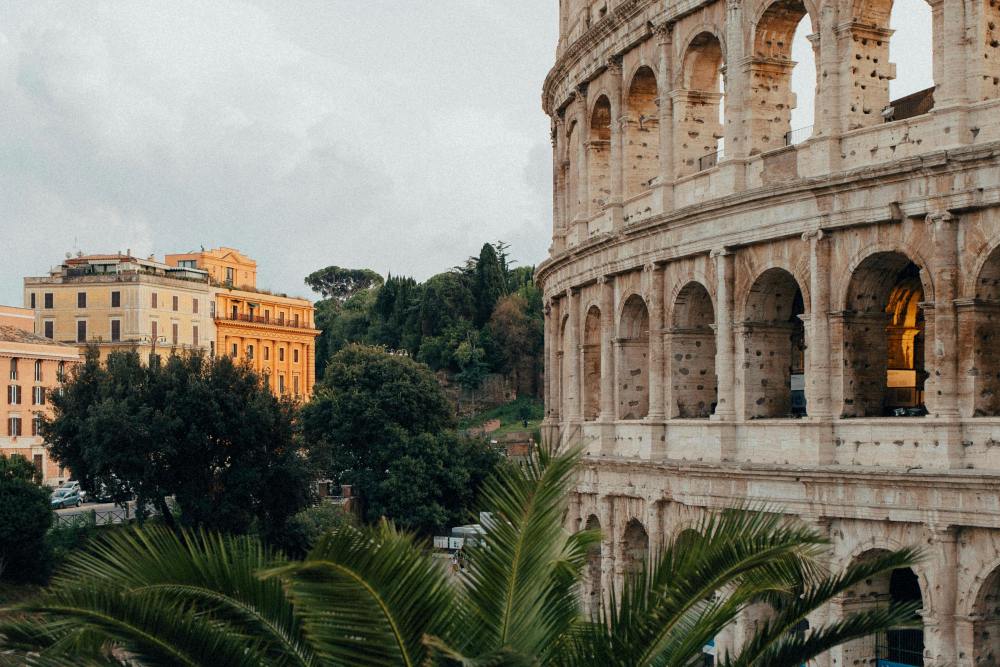


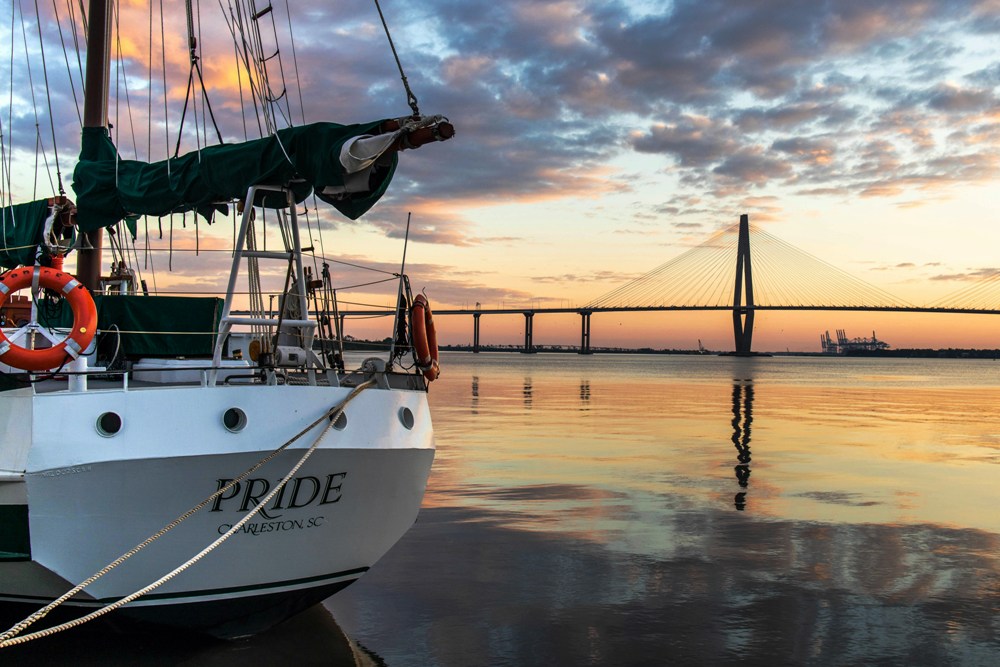





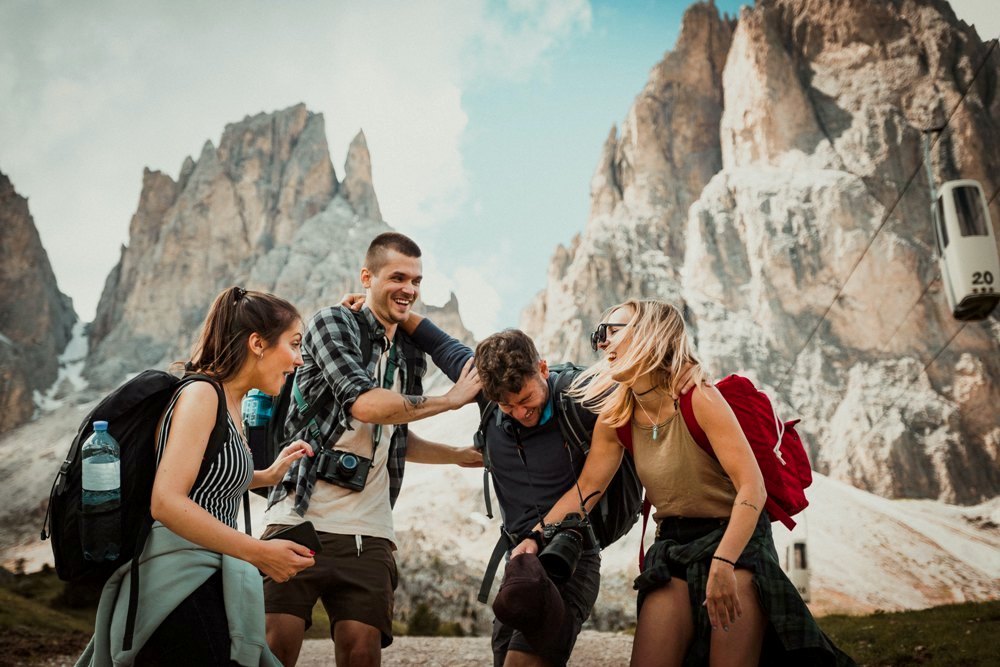
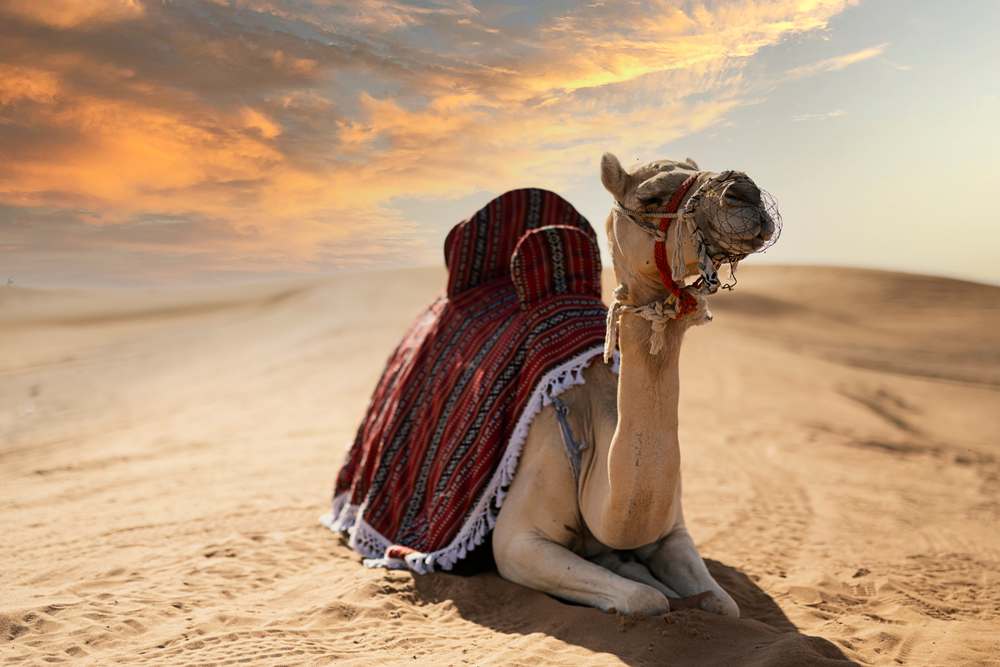











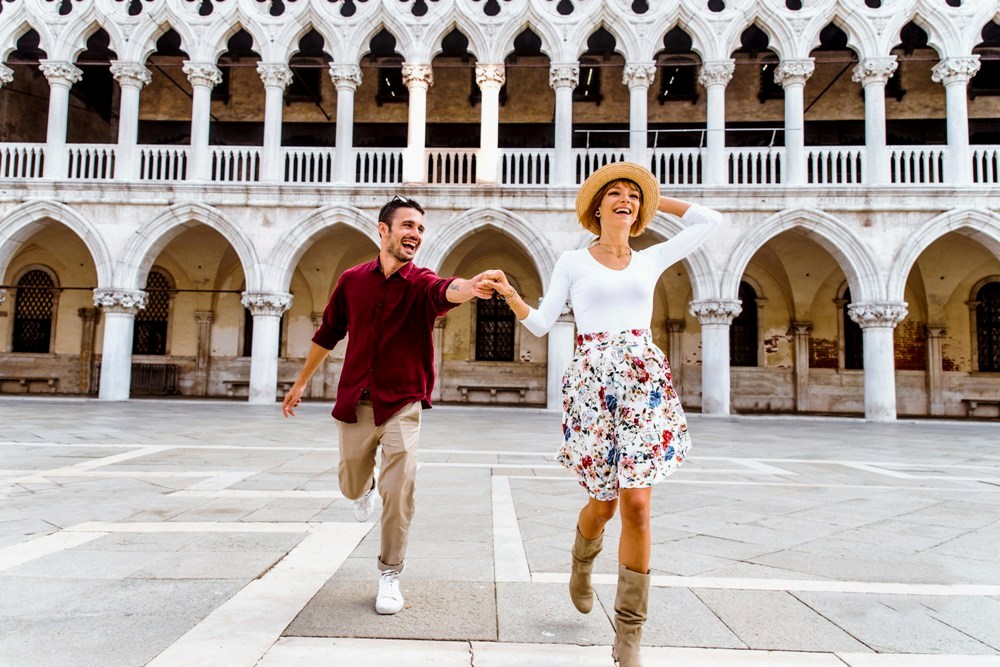
Walking through neighborhoods, plazas, and markets provides an unparalleled perspective on a destination's character. Each street corner carries stories in architecture, signage, and rhythm of daily life. Observing interactions among locals, street performers, and shopkeepers offers insights often missed by conventional sightseeing. Taking time to pause, listen, and observe allows travelers to perceive nuances in culture, gestures, and sounds that create a rich, layered experience. Small details like the scent of freshly baked bread, the hum of conversation, or the texture of cobblestones engage all senses, forming memories that linger long after departure.
Hands-On Workshops and Local Skills
Engaging in cultural workshops transforms travelers from observers into participants. Attending a pottery class in a historic town, learning regional embroidery techniques, or participating in local culinary traditions provides tangible connections to a place. These sessions encourage physical involvement, observation, and repetition, allowing participants to internalize the culture and retain skills beyond the visit. Workshops foster interaction with artisans, chefs, and performers, creating personal connections that extend beyond the classroom. Such experiences provide souvenirs of knowledge and experience rather than objects alone.
Capturing Moments Through Photography
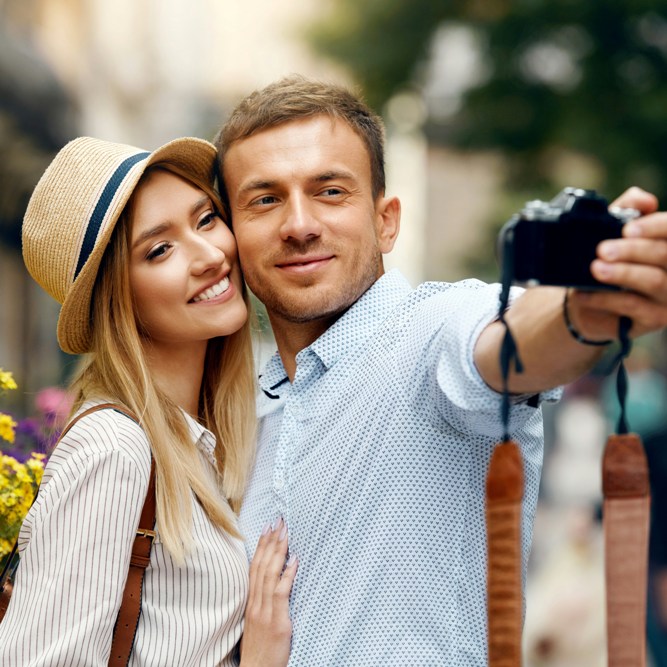
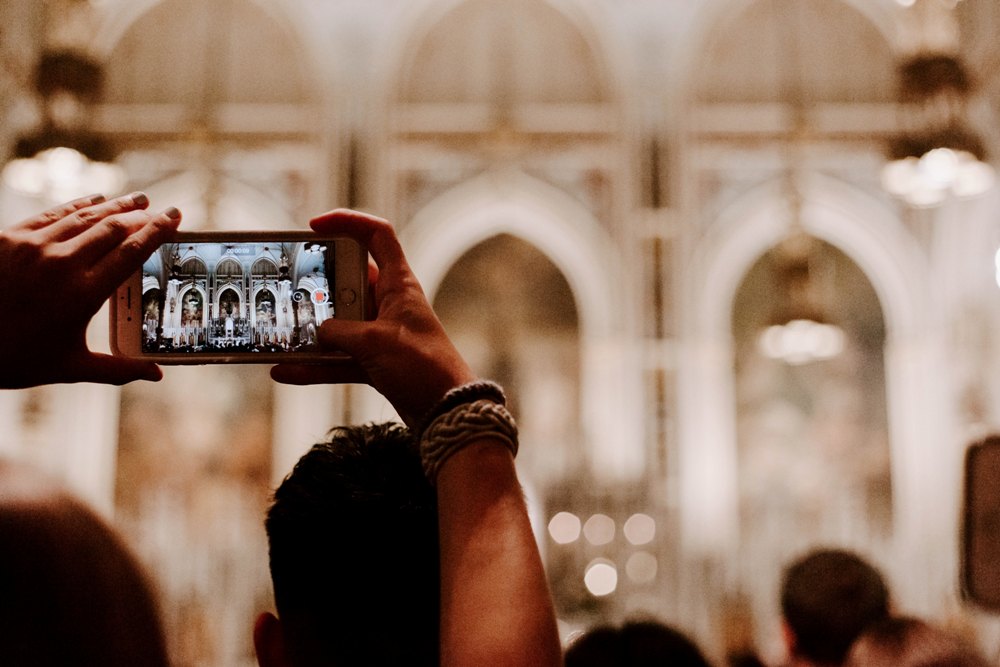
Photography remains a vital tool for preserving the essence of travel experiences. Capturing candid street scenes, architectural details, or fleeting natural phenomena preserves both memory and emotion. Consider experimenting with angles, light, and composition to document the vibrancy of daily life. Photography also encourages mindfulness, as travelers actively seek moments that tell a story rather than merely record scenery. For a tangible connection, a custom photo keychain can transform a favorite image into a keepsake that evokes memories each time it is handled or displayed, bridging digital and physical remembrance.
Exploring Food Markets and Local Cuisine
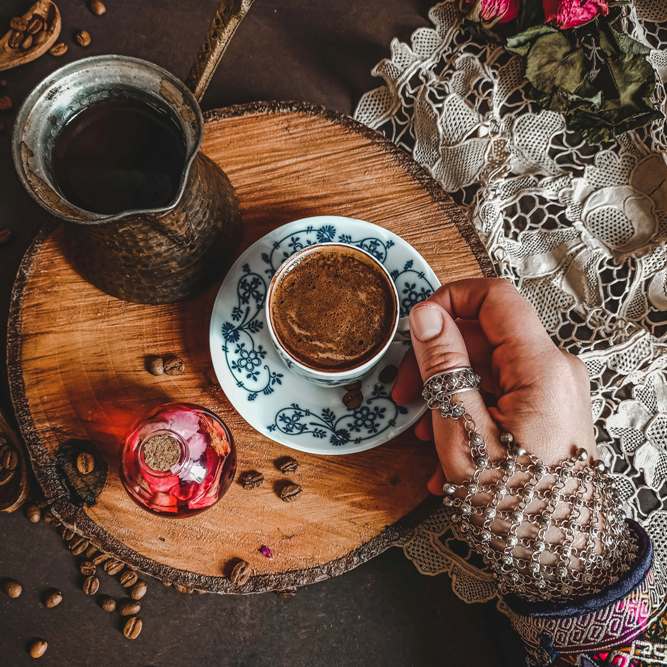
Food markets offer a concentrated experience of culture, history, and flavor. Strolling through stalls filled with spices, baked goods, fresh produce, and street food provides sensory immersion unmatched by formal dining. Sampling regional delicacies encourages conversation with vendors who share recipes, stories, and historical context. Documenting ingredients, techniques, and tastes through notes or photographs transforms culinary exploration into an educational journey. Travelers often return home with knowledge that inspires new cooking experiments, making the culinary experience lasting and actionable.
Observing Daily Life and Community Rituals
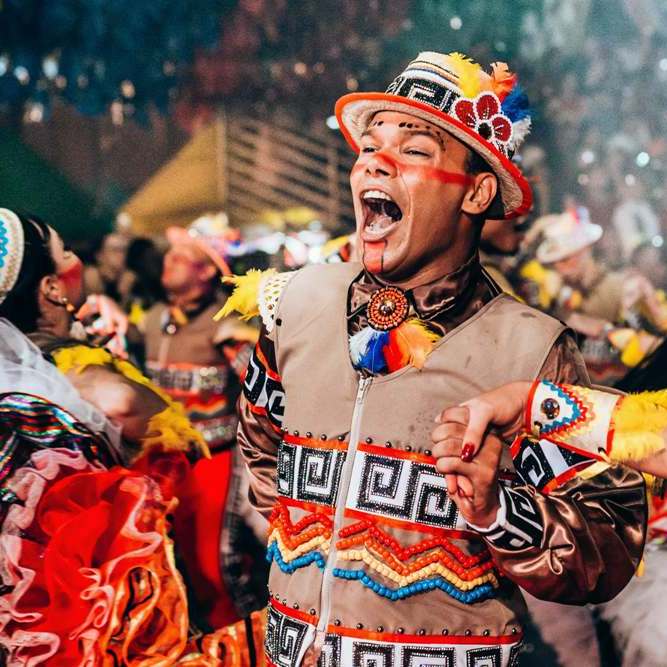
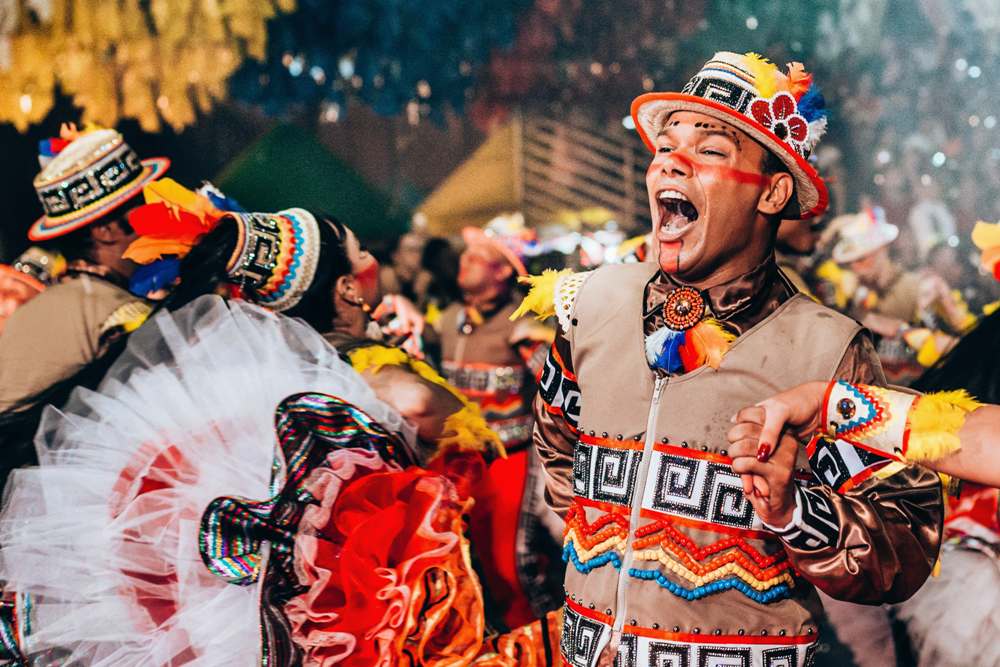
Witnessing how locals conduct their routines adds depth to the understanding of a destination. Watching artisans at work, residents commuting, or children playing in communal spaces reveals patterns of daily life and social organization. Attending cultural rituals, parades, or public celebrations allows travelers to experience communal energy and tradition. Observing these activities over time provides context for the region's customs and values. Such experiences highlight contrasts between travelers' expectations and reality, fostering appreciation for the complexity and richness of local life.
Creating Personal Travel Archives
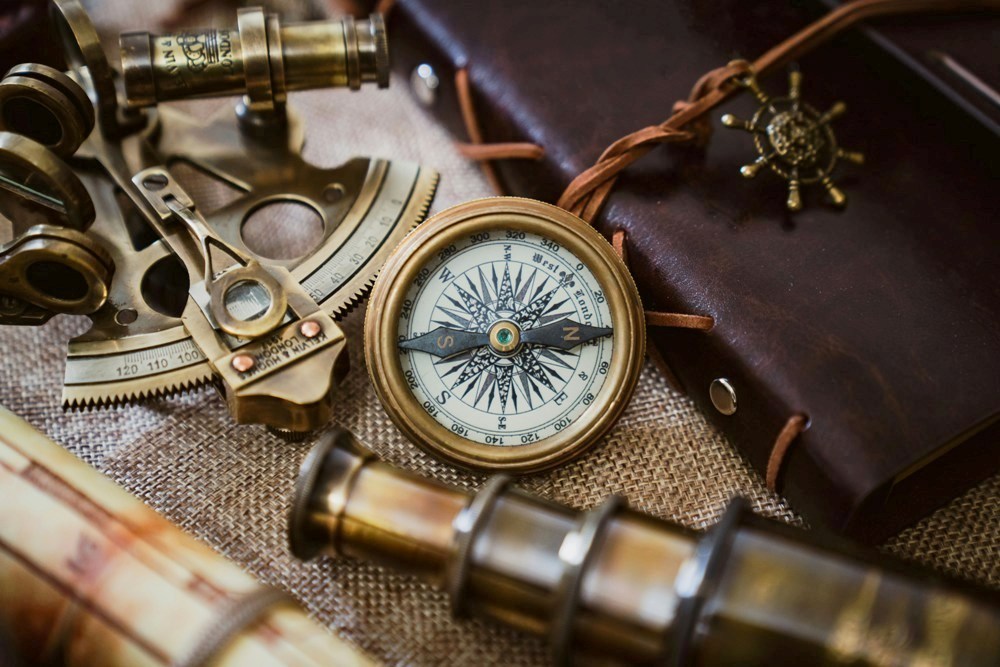
Compiling travel artifacts, photographs, sketches, and notes builds a cohesive narrative that preserves experiences in a multidimensional way. Grouping items thematically by cuisine, neighborhood, or artistic style can help contextualize memories and ensures they remain meaningful. Personal travel archives serve as a reference for storytelling, inspiration for future journeys, or a teaching resource. They bridge tangible objects and intangible experiences, reminding travelers of sensory encounters, social interactions, and cultural insights gained during their adventures. The act of curating strengthens reflection and understanding.
Sharing Stories and Cultural Insights
Communicating travel experiences to others transforms private memories into shared cultural knowledge. Whether through storytelling at gatherings, blogging, or creating visual compilations, sharing allows travelers to articulate observations, lessons, and discoveries. Storytelling encourages critical reflection, prompting consideration of context, influence, and impact. Readers or listeners benefit by gaining exposure to new cultures, practical travel ideas, and sensory experiences. Narratives infused with personal insight, humor, and observation maintain engagement and provide value beyond the trip itself, extending the journey into ongoing dialogue.