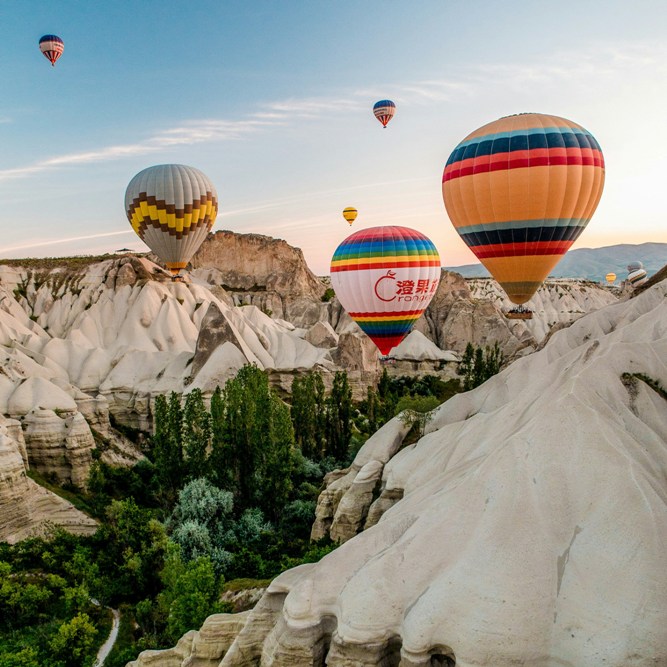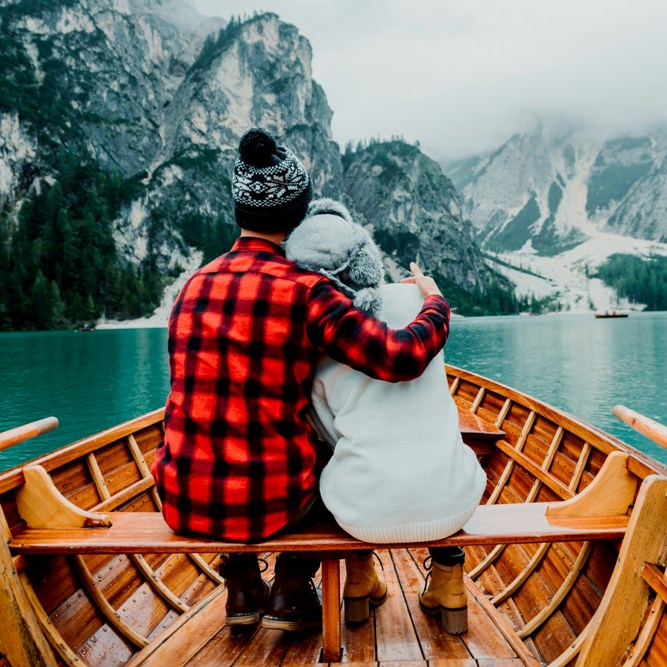





















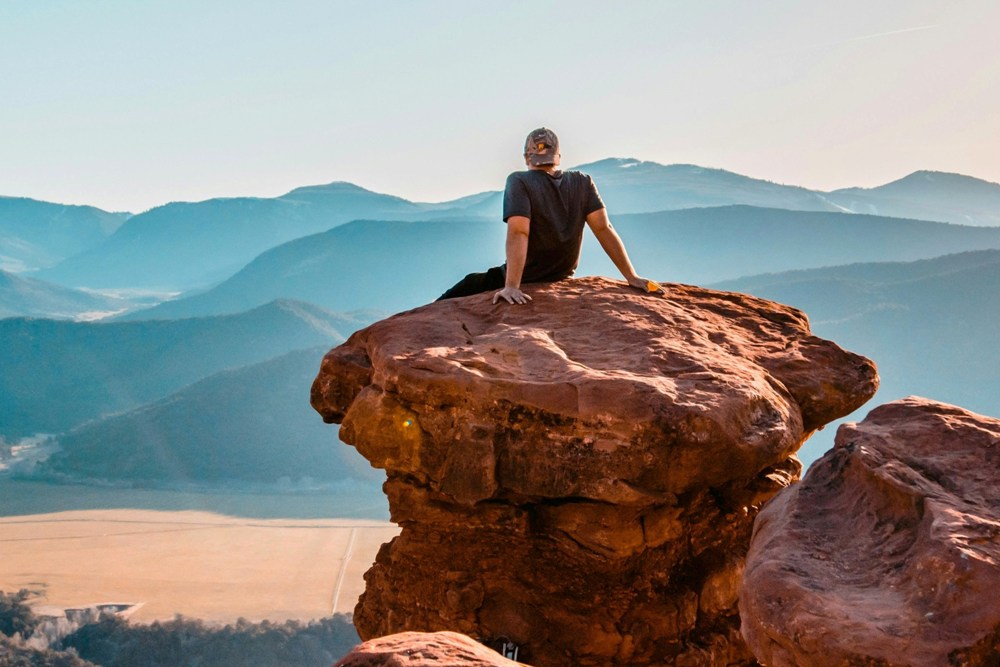




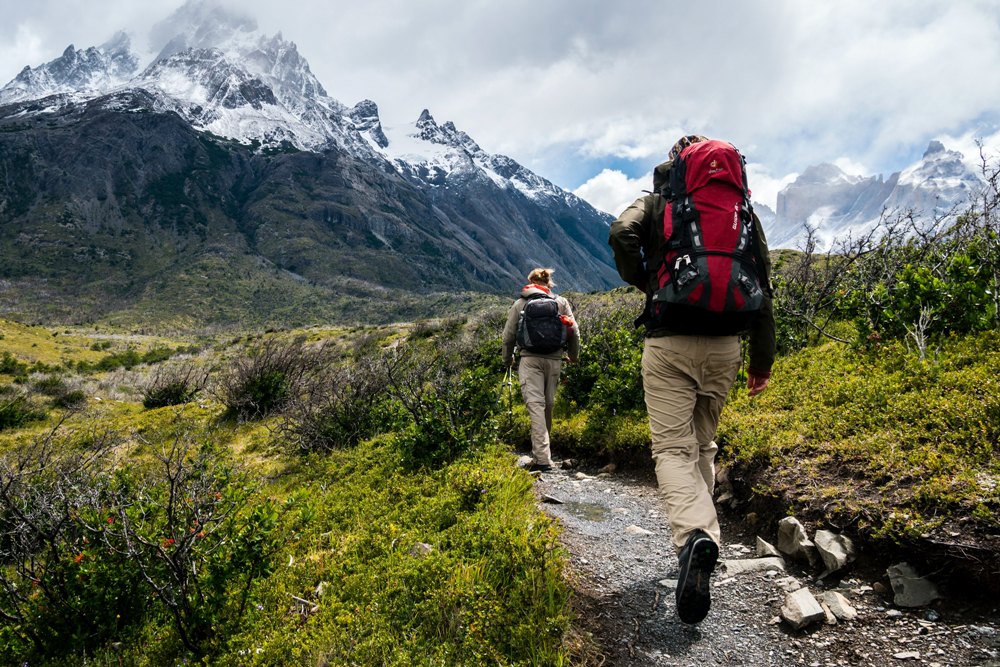
Adventure travel offers an opportunity to connect with nature while testing endurance, observation skills, and adaptability. Whether wandering along forested paths, ascending rugged mountain trails, or exploring hidden valleys, the journey becomes an exploration of both surroundings and self. Thoughtful preparation ensures safety, enjoyment, and immersion at every stage. Travelers who embrace diverse landscapes, take time to notice flora and fauna, and incorporate practical strategies into their excursions experience the outdoors in a richer and more memorable way.
Planning the Route
Selecting trails and destinations requires attention to distance, terrain, and seasonal conditions. Maps, online resources, and local guides help identify accessible paths and challenging climbs alike. Evaluating weather forecasts, difficulty ratings, and potential wildlife encounters ensures an informed approach. Combining iconic landmarks with less-traveled paths provides variety and the chance for discovery. Planning allows for a structured yet flexible itinerary, ensuring each excursion balances effort, scenery, and opportunities for rest.
Navigating the Environment
Understanding the terrain and environment is essential for safety and engagement. Techniques such as reading trail markers, following topographical maps, and noting landmarks prevent disorientation. Observing natural cues, such as changes in vegetation or water sources, can offer valuable context about the landscape. Travel companions should establish check-in routines, emergency signals, and contingency plans. Navigating intentionally transforms hiking or trekking into an immersive experience, allowing travelers to appreciate both micro and macro elements of their surroundings.
Packing Essentials
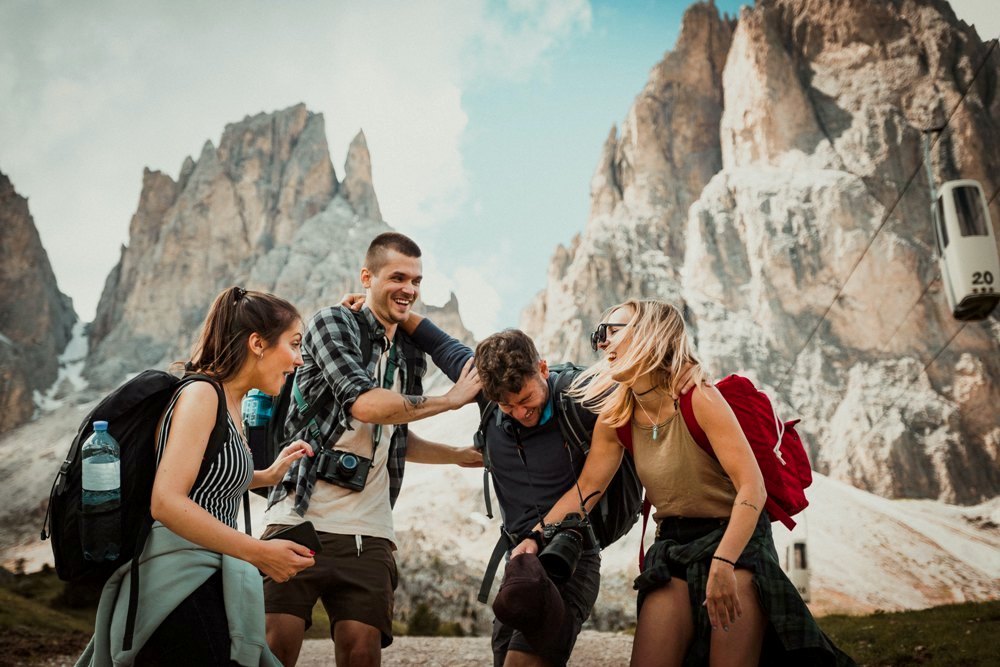
Efficiently carrying supplies is crucial for long days on the trail. A well-chosen pack distributes weight comfortably while keeping essentials accessible. Items like water, snacks, first-aid kits, binoculars, and layered clothing ensure preparedness for changing conditions. Durable Condor backpacks combine resilience and versatility, supporting extended excursions without sacrificing mobility. Thoughtful packing encourages self-sufficiency, minimizes fatigue, and allows travelers to remain focused on the journey itself rather than equipment management.
Engaging With Local Wildlife
Outdoor exploration often brings encounters with native fauna. Observing birds, small mammals, or other wildlife from a safe distance offers insight into local ecosystems. Carrying a camera or binoculars enables detailed observation without intrusion. Following guidelines for ethical interaction, such as leaving habitats undisturbed and avoiding feeding animals, ensures sustainability and safety. Noting patterns of behavior and seasonal changes enriches the experience and provides context for understanding the interconnectedness of natural systems.
Rest and Recovery
Strategically planning breaks and overnight stops supports both safety and enjoyment. Campsites, lodges, and scenic overlooks provide moments to recover energy, hydrate, and reflect on the day. Incorporating gentle stretches or mindfulness exercises enhances physical comfort and attentiveness. Sharing stories, reviewing maps, or photographing landscapes during these intervals deepens engagement with the surroundings. Thoughtful rest ensures travelers can maintain endurance for extended treks while savoring the subtle beauty of each location.
Maximizing Adventure and Respecting Nature
Reflecting on the journey allows travelers to integrate lessons and prepare for future excursions. Journaling observations, collecting photographs, or noting trail highlights creates lasting memories and aids in planning subsequent trips. Respect for the environment—adhering to Leave No Trace principles, avoiding litter, and honoring wildlife habitats—preserves destinations for future visitors. Balancing challenge with contemplation, action with observation, ensures each adventure is rewarding, meaningful, and harmoniously aligned with the landscapes explored.